
India’s best quality exports are diverse, with high-value sectors including Pharmaceuticals (generic medicines), Gems & Jewellery, Engineering Goods, Petroleum Products, Automobiles, Textiles, and Agro Products (especially rice, spices), alongside growing exports in Electronics (smartphones) and Chemicals, all recognized for quality, craftsmanship, and global competitiveness.
Asia’s Biggest Tomato Market in India, Andhra Pradesh
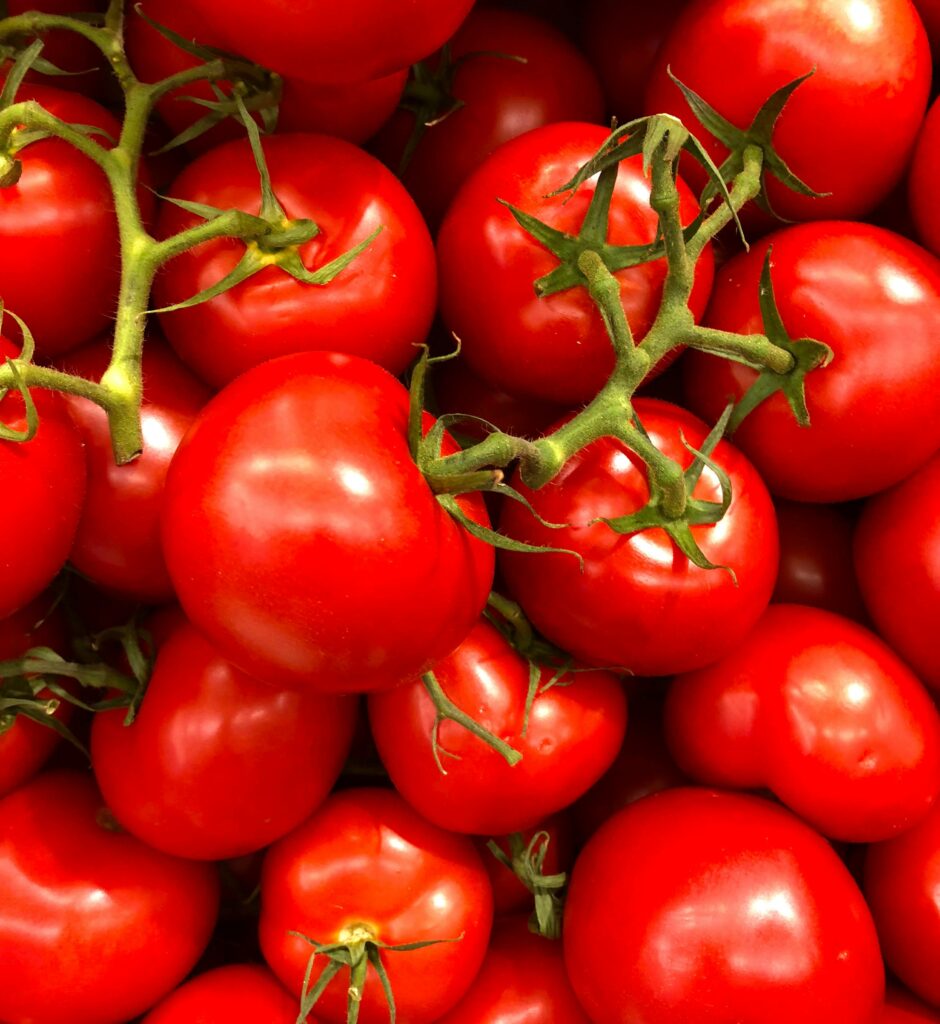
Overview of Madanapalle Tomato Market
🌍 Key Facts
Location: Madanapalle, Chittoor district, Andhra Pradesh, India.
Significance: It is one of Asia’s largest and oldest tomato markets, historically supplying large volumes of tomatoes across South India and beyond.
kolarredgold.in
The mandi deals primarily in tomatoes and sees massive daily arrivals during peak season (hundreds of tonnes).
kolarredgold.in
The market operates on a traditional auction-based system where traders and commission agents bid for lots brought by farmers.
kolarredgold.in
📊 Production & Arrivals
Tomatoes in the region are cultivated across thousands of acres in and around Madanapalle and neighboring mandals.
The New Indian Express
During peak season, arrivals can reach 500–1000 tonnes per day, though this fluctuates with weather and crop conditions.
kolarredgold.in
💰 Price Trends
Tomato prices at the Madanapalle market are highly volatile, influenced by supply, weather, and regional demand:
Average Wholesale Prices: Around ₹15–₹32 per kg in typical periods (mandi rate) per commodity listings.
commodityonline.com
+1
Price Surges: At times of low supply, prices have spiked dramatically — reaching ₹50–₹90+ per kg for first-grade tomatoes.
The Hans India
+1
The retail prices in cities can be even higher when supply tightens.
The Hans India
Factors like unfavourable weather (rain, fog) and reduced arrivals often shrink supply and push prices up.
The Hans India
🚚 Distribution & Export
The Madanapalle market historically supplied tomatoes across South India — including Andhra Pradesh, Tamil Nadu, Telangana, Karnataka, Maharashtra, and West Bengal at various times based on supply and demand.
The New Indian Express
According to agricultural sources, tomatoes from this mandi have even been exported to Bangladesh and Pakistan, showing its reach beyond domestic markets.
DARPG
Tomatoes from this region are valued because of their firmness, shelf life, and ability to withstand long-distance transport — important qualities for interstate trade.
The Hans India
📉 Challenges
Price Fluctuations: While prices sometimes spike, there have also been instances where prices crashed drastically — forcing some farmers into distress sales because costs of cultivation exceeded returns.
FreshPlaza
Quality & Standards: Fluctuating quality and inconsistent grading have been highlighted as issues affecting buyers and larger scale procurement.
kolarredgold.in
Weather Impact: Heavy rains and climatic conditions can severely disrupt harvesting and supply, leading to both supply shortfalls and quality issues.
The Hans India
📈 Why It Matters
Economic Role: The market plays a critical role in tomatoes supply chains, influencing prices and availability in major urban and rural markets across South India.
Farmer Livelihoods: Many farming families depend on tomato cultivation in this region — making price stability and market access essential for local livelihoods.
If you want, I can also share current live tomato prices, trading volumes, or how to buy or sell at Madanapalle mandi!
Banana
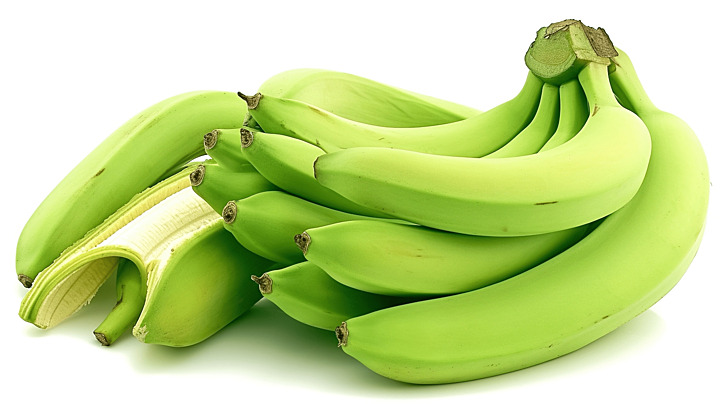
India is the largest banana producer in the world, but its exports to the rest of the world only account for about 1% of total exports. It focuses primarily on Middle Eastern nations like Iran, Iraq, and the United Arab Emirates, which have significant growth potential and receive government support from organizations like APEDA (Agricultural and Processed Food Products Export Development Authority) to boost exports. The government’s goal is to boost exports to $1 billion in the next few years by improving quality, logistics, and market access for varieties like Important Features of Indian Banana Exports: versus production Export: India produces a lot of goods but only exports a small amount (around 0.36 MMT in FY23), and it wants to export $1 billion in five years. Major Markets: Iran, Iraq, the United Arab Emirates, Oman, Qatar, and Saudi Arabia are major importers, and efforts are being made to expand to Japan, South Korea, and Europe. Growth Factors: States like Maharashtra, Tamil Nadu, and Kerala have adopted modern farming practices like drip irrigation and pest management to improve yield and quality, resulting in 7-fold growth since FY18. Government Initiatives: B2B shows, marketing campaigns, and the creation of sea protocols for long-distance shipping are some of the ways APEDA encourages exports. Varieties Exported: Mostly Cavendish (G9) and other varieties like Nendran (plantain) and Robusta, which are known for their flavor and nutrition. Logistics: Concentrate on enhancing cold chain logistics, timely delivery of perishable goods, and packaging (cartons).
Spices
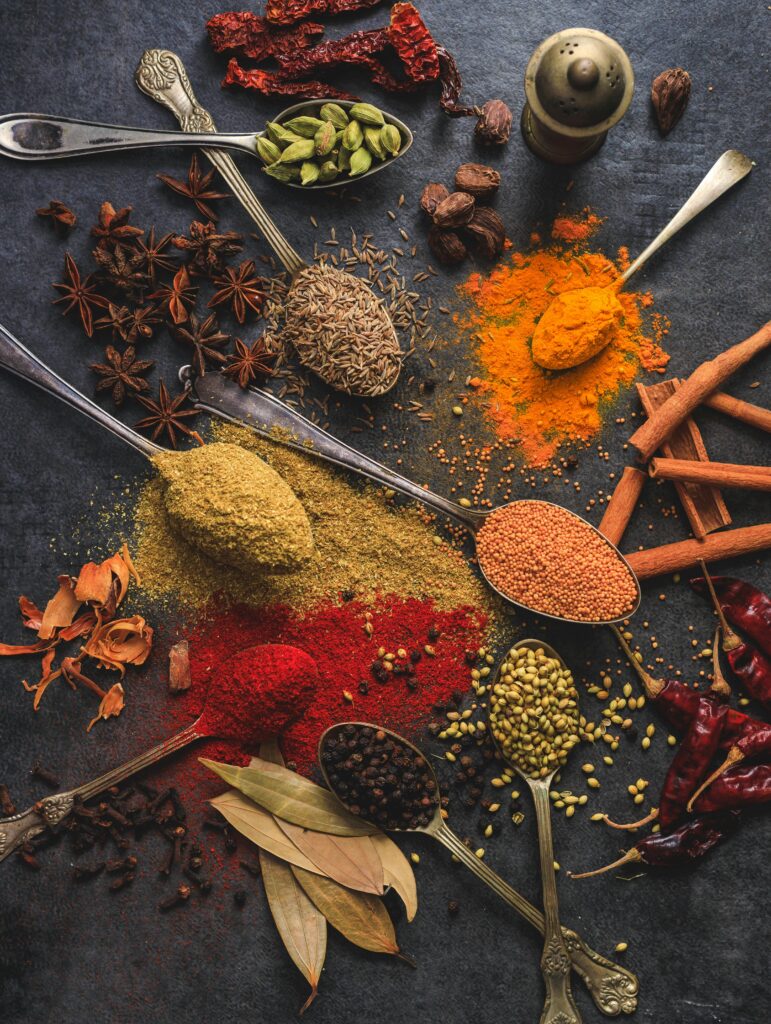
Spice oils and oleoresins, along with chilli, cumin, turmeric, pepper, coriander, ginger, and cardamom, dominate India’s recent data (FY 2024–25) showing record exports in both volume and value. Major production states like Madhya Pradesh and Rajasthan fuel this market, which has important destinations like the United States, China, Bangladesh, and the United Arab Emirates. Top Spices Exported Chilli: Guntur red chillies are extremely popular and frequently lead in value. Cumin is a common spice used in Mexican, Indian, and Middle Eastern cuisines. Due to its color and health benefits, turmeric is known as the “Golden Spice.” Black pepper is known as the “King of Spices” because of its strong flavor. Cardamom is known as the “Queen of Spices” because of its floral and sweet notes. Coriander has a citrusy, herbal flavor that comes from its seeds and leaves (cilantro). Ginger is used in traditional medicine and cooking. Fennel and fenugreek are well-known for their warm and sweet flavors. Spice oils, oleoresins, and curry powders are additional significant exports of value-added products.
Rice
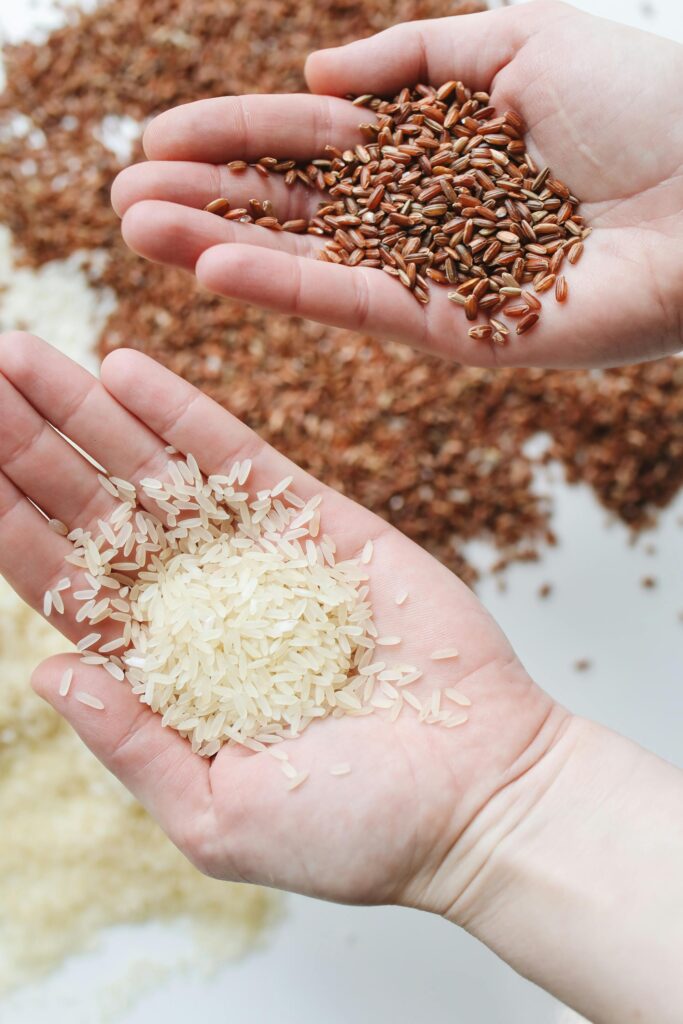
India is the largest rice exporter in the world, dominating global trade with both premium Basmati and high-volume non-Basmati rice. Each year, it exports approximately 22 million tonnes worth more than $10 billion to a variety of markets, including Asia, Africa, and the Middle East. Long-grain Basmati, which is grown in the Himalayan foothills, and a variety of non-Basmati varieties, such as parboiled and broken rice, are important varieties. They can be found in major markets like Saudi Arabia, Iran, and the United Arab Emirates. Important Features of Indian Rice Exports: Leader in the world: India consistently comes in first, providing nearly 40% of the world’s rice. Dominance of Varieties: The nation excels in both aromatic Basmati and bulk non-Basmati rice, such as broken and parboiled rice. Major Destinations: Saudi Arabia, Iran, Iraq, Benin, and the United Arab Emirates are important markets with a lot of demand in Asia, Africa, and the Middle East. Economic Importance: India exports a lot of rice, which makes a lot of money in foreign exchange.
Textile Industry

Exports of Ready-Made Garments (RMG), Cotton Textiles, and Man-Made Textiles, primarily to the United States, the European Union, and emerging markets, supported by government schemes like CDCE and EPCG to boost competitiveness, will total approximately $37 billion in 2024-2025, placing India sixth globally. Figures and Position in the Market Textiles and apparel exports rank sixth globally. Exports in 2024 and 2025: approximately 37 billion USD. About 8.63 percent of India’s total merchandise exports come from this sector. The United States of America (the largest), the European Union, the United Arab Emirates, the United Kingdom, Japan, Germany, and Egypt are the key markets. Top Products for Export (2024–25, April–Oct) Fabrics, yarn, and apparel make up the largest portion (41 percent) of Ready-Made Garments (RMG). Textiles made of cotton account for a significant portion (33 percent). Textiles Made by Man: (15%) Crafts and handicrafts: valued for their craftsmanship. Technical textiles, including medical and agro-textiles, are a growing market. Examples of major export companies Raymond, Inc. Arvind Limited, which produces jeans, Page Businesses Mills KPR Initiatives & Support from the Government Duty Credit Schemes (CDCE): Importing inputs for export production without paying taxes. The Export Promotion Capital Goods (EPCG) program allows export units to import capital goods duty-free. Fiscal incentives for export units can be found in Special Economic Zones (SEZ). Focus on value creation and global integration with Make in India and Aatmanirbhar Bharat. Trends and Prospects expansion in both conventional and unconventional markets (such as Egypt and the UAE). resilience in the face of challenges in global trade. Strong growth is anticipated, with the potential to surpass 65 billion US dollars by 2026.